In the realm of mechanical engineering, coupling is a fundamental concept that plays a crucial role in connecting rotating shafts to transmit power. Couplings are integral components in various machines, providing flexibility, alignment, and torque transmission while accommodating misalignments and reducing vibration. This article delves into the intricacies of coupling, exploring its types, applications, design considerations, and importance in mechanical systems.
Types of Couplings: Couplings come in various types, each tailored to specific applications and operational requirements. One of the simplest forms is the rigid coupling, which directly connects two shafts without any flexibility. However, this type is limited in its ability to accommodate misalignments and can transmit vibrations.
Flexible couplings address the limitations of rigid couplings by incorporating elements like elastomers, springs, or mechanical linkages. Examples include elastomeric couplings, jaw couplings, and gear couplings. These couplings provide flexibility to compensate for misalignments and dampen vibrations, enhancing the longevity of connected machinery.
Applications and Importance: Couplings find widespread applications across diverse industries, including automotive, aerospace, marine, and manufacturing. In automotive drivetrains, couplings facilitate the transmission of power from the engine to the wheels while accommodating engine movements and vibrations.
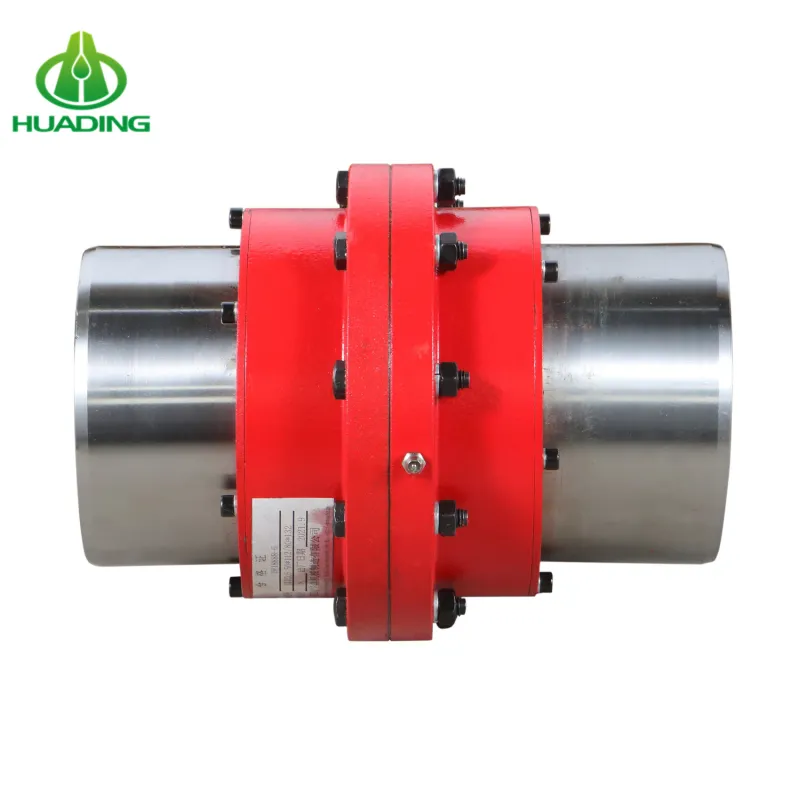
In industrial machinery, couplings play a critical role in connecting various components such as motors, pumps, and gearboxes. They ensure smooth power transmission while minimizing the risk of damage due to misalignments or sudden shocks.
Moreover, couplings are indispensable in power generation and transmission systems, where they connect turbines, generators, and other rotating equipment. The reliability and efficiency of these systems heavily rely on the proper selection and installation of couplings.
Design Considerations: Designing a coupling involves careful consideration of several factors to ensure optimal performance and longevity. One crucial aspect is the selection of materials, considering factors like strength, durability, and resistance to corrosion and fatigue.
Explore more:10 Essential Tips for Choosing Metric Hydraulic Fittingswhat do spring washers doTop 5 Flat Bed CNC Lathe Machine Manufacturers You Can TrustWhat is a Grooved Male Thread Nipple ANSI?Moulds for Precast Concrete Products: Innovations for 2024How Does Equal Cross Ductile Iron Solve Your Toughest Engineering Challenges?Choosing the Best Pipe Fittings: Elbows, Tees & Couplings GuideFurthermore, the design should account for torque transmission requirements, operating conditions, and environmental factors. For instance, high-speed applications may necessitate the use of precision-engineered couplings to minimize the risk of imbalance and resonance.
Alignment and installation procedures are also vital to prevent premature wear and failure. Proper alignment ensures that the connected shafts remain concentric, minimizing radial and angular misalignments that can lead to excessive loads and stress on the coupling components.
Maintenance and Monitoring: Regular maintenance and monitoring are essential to ensure the continued reliability of couplings in mechanical systems. Periodic inspections allow for the detection of wear, misalignments, or other issues that could compromise performance.
Lubrication is another critical aspect of maintenance, particularly for couplings with moving parts such as gears or bearings. Proper lubrication helps reduce friction and wear, extending the service life of the coupling components.
Additionally, advancements in sensor technology enable real-time monitoring of coupling conditions, allowing for proactive maintenance and early detection of potential failures. This predictive maintenance approach helps minimize downtime and maintenance costs while maximizing equipment reliability.
Conclusion: In conclusion, couplings are indispensable components in mechanical engineering, facilitating the transmission of power between rotating shafts while accommodating misalignments and reducing vibrations. Understanding the different types of couplings, their applications, design considerations, and maintenance requirements is essential for ensuring the reliability and efficiency of mechanical systems across various industries. By incorporating proper coupling design, installation, and maintenance practices, engineers can optimize the performance and longevity of machinery, contributing to overall productivity and safety.
Explore more:Backhoe bucket question, cover teethHow Self Drilling Hollow Anchor Bolts Work22.5 Cast Carbon Steel Grooved Fittings: A Complete GuideEssential Guide to Creating Culvert Moulds EffectivelyWave Spring Washers vs. Traditional Washers: Which Is Better?About KOXY | Fire Protection Pipe Fittings & Steel Pipe Manufacturer: Innovations for 2024Key Considerations for Automotive Pipe Fitting Purchases



Comments
Please Join Us to post.
0