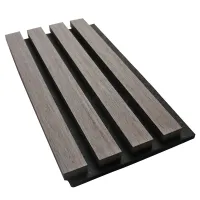
Slat walls can have both positive and negative effects on acoustics, depending on their design, materials, and installation. Here are some considerations regarding the acoustic properties of slat walls:
Positive Aspects:
Diffusion:
Slat walls with irregularly spaced or angled slats can contribute to sound diffusion. This means they scatter sound waves rather than reflecting them directly back, which can help reduce echoes and improve overall acoustic quality.
Material Selection:
The choice of materials for slat walls can impact their acoustic performance. Some materials, like wood, can absorb sound to a certain extent, helping to reduce reverberation and enhance acoustic comfort in a space.
Aesthetics and Design:
Slat walls, when strategically designed, can enhance the aesthetics of a space while providing acoustic benefits. By incorporating design elements that break up large flat surfaces, such as irregular slat spacing or varying slat angles, the acoustic performance can be improved.
Considerations:
Absorption vs. Reflection:
The acoustic performance of slat walls depends on whether they are designed to absorb or reflect sound. Perforated slats, acoustic panels behind the slats, or porous materials can enhance absorption, while solid slats may contribute more to sound reflection.
Explore more:Wood Beam - I-JoistThe Benefits of Using Insulated Pipe Clamp for Secure Cold Piping Systems" - A Guide to Efficiency and SafetyThe Benefits of Using Insulated Pipe Clamp for Cold Line Stability: A Comprehensive GuideFDW9018-U 6" X 75' Paperless Drywall Repair, WhiteHow to Choose FEVE Color Coated Aluminum Coil? A Comprehensive GuideThe Benefits of Using 1x7 PC Strand: A Comprehensive AnalysisHow Does HVAC Duct Support Bracket Work?Spacing and Arrangement:
The spacing between slats and their arrangement can impact how sound interacts with the wall. Irregular spacing or staggering the slats can contribute to better diffusion and absorption.
Combination with Absorptive Materials:
Slat walls are often more effective when combined with additional acoustic treatments, such as absorptive materials strategically placed within the space. This holistic approach can address both reflection and absorption.
Negative Aspects:
Sound Transmission:
Solid slat walls may transmit sound through them, especially if they are thin or lack sufficient acoustic insulation. This can lead to sound leakage between rooms.
Limited Absorption:
Some slat wall configurations may have limited capacity for sound absorption, especially if they consist of non-porous materials. In such cases, additional acoustic treatments may be necessary to achieve desired results.
In conclusion, slat walls can be designed to contribute positively to acoustics by incorporating features that enhance diffusion and absorption. However, for optimal acoustic performance, it's often beneficial to combine slat walls with other acoustic treatments tailored to the specific needs of the space. Working with acoustic design professionals can help ensure that the chosen materials and configurations align with the desired acoustic goals.
Explore more:10 Questions You Should Know about Primer Color Coated Aluminum CoilPipe clamp - which wize to buy?- Why Spring Hangers for Pipe are Essential?Ultimate Guide: Unveiling The Elegance of Fancy MDF!Is Melamine Plywood the Secret to Elegance?Unexpected Uses for a 24 Foot LVL Beam - A Must-Read for DIY Enthusiasts!Ultimate Guide to Affordable I Joist Prices











Comments
Please Join Us to post.
0